Choosing the right Electronic Logging Device (ELD) is an important decision for truckers, owner-operators, and fleet managers. The right solution can make Hours of Service (HOS) recordkeeping easier, improve fleet visibility, and support smoother day-to-day operations.
With so many options available, it is important to look beyond price. Carriers should compare device functionality, ease of use, connectivity, data transfer, customer support, reporting, and the provider’s overall value.
What Should You Look for in ELD Providers in USA?
When comparing ELD solutions, consider the following factors:
1. FMCSA Registration
The specific ELD model you choose should appear on the FMCSA’s current list of registered, self-certified ELDs. FMCSA advises motor carriers to make sure the specific ELD model they are considering is on this official list. A carrier using a device that is not listed could be cited for an ELD-rule violation.
Check the official FMCSA list here:
https://www.fmcsa.dot.gov/safety/passenger-safety/search-results/by-company
Carriers should also periodically check the list because FMCSA can remove devices from the registered list when they do not meet applicable requirements.
If you are considering Safer ELD, use the official FMCSA list to verify the specific device/model rather than relying only on a provider’s website or marketing claims. FMCSA’s list identifies the device name, model number, software version, ELD identifier, company, and other registration details.
Important: Being listed on FMCSA’s registered ELD list means the provider has self-certified the device; FMCSA states that it does not endorse individual ELD products.
2. Easy HOS Management
An ELD should make it straightforward for drivers to record, review, edit where permitted, certify, and transfer their logs. A simple interface can reduce unnecessary complexity during daily operations.
3. Reliable Connectivity and Data Transfer
Connectivity is another important consideration. FMCSA compliant ELDs must support the required data-transfer capabilities, which can include telematics options such as web services or email and local options such as USB or Bluetooth.
Before selecting a system, verify that its connectivity works reliably with your vehicles, mobile devices, and operating environment.
4. GPS and Fleet Visibility
GPS tracking can give fleet managers better visibility into vehicle locations and routes. While real-time tracking is not itself an ELD-rule requirement, it can be a useful fleet-management feature.
5. Reporting and Fleet Management
Look for useful reports that help you review driving activity, HOS information, vehicle data, and other operational details. Additional fleet-management tools can be valuable for businesses managing multiple vehicles.
Why Consider Safer ELD?
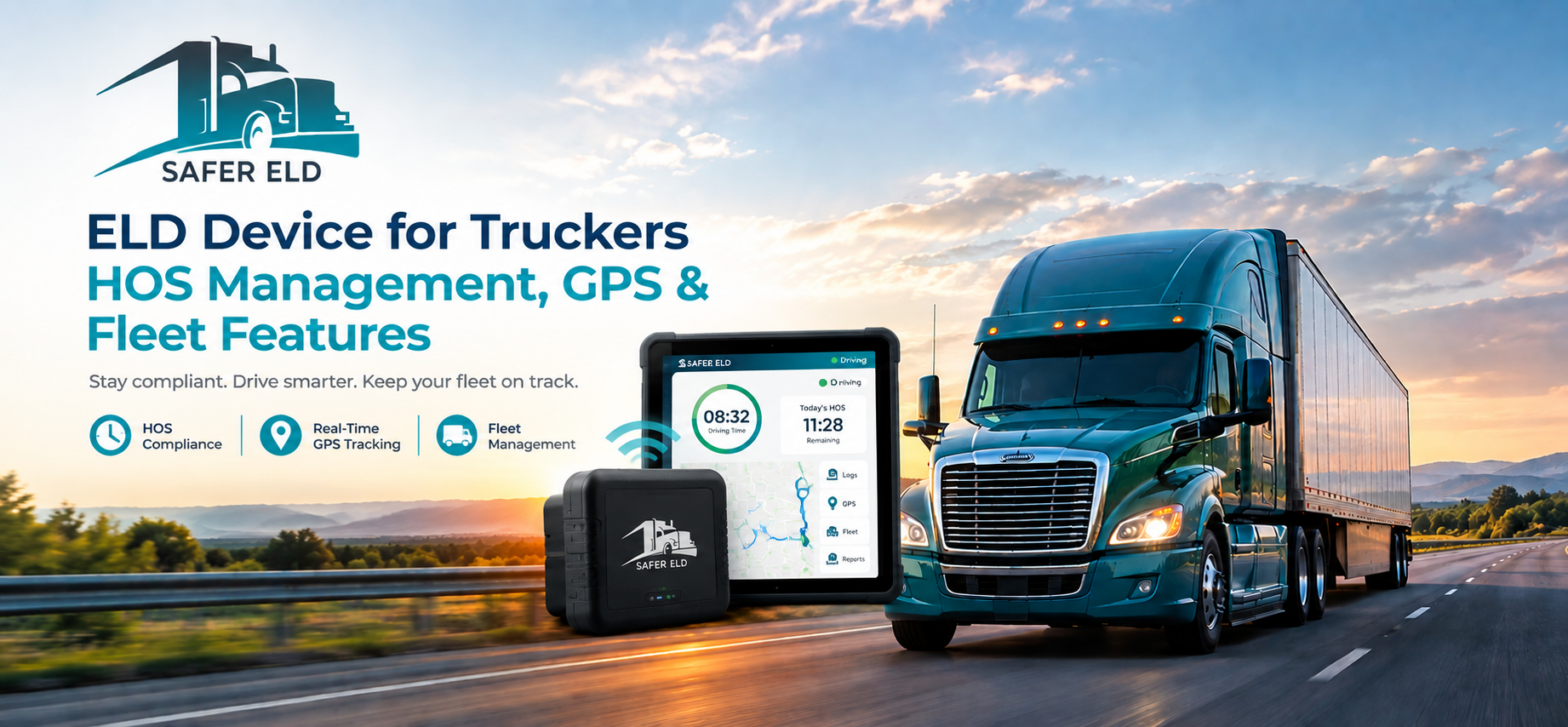
Safer ELD offers ELD and fleet-management solutions designed to help trucking businesses manage electronic logs and everyday fleet operations. Its platform includes ELD devices, real-time GPS tracking, reports and analytics, and fleet visibility tools.
For small and growing fleets, having important information available through a centralized system can simplify routine monitoring and administration. Safer ELD also provides AI-powered dashcam and fleet-monitoring solutions for businesses looking for additional visibility and safety-oriented technology.
However, carriers should always evaluate their specific requirements and independently verify the current FMCSA registration status of the particular ELD model they plan to use.
How to Compare ELD Solutions
A practical comparison should include:
- Compliance verification: Check the specific device on the current FMCSA registered list.
- Ease of use: Make sure drivers can learn the system without unnecessary complexity.
- Connectivity: Review available data-transfer methods and device compatibility.
- Fleet visibility: Consider GPS tracking and useful operational dashboards.
- Reporting: Look for reports that support everyday fleet management.
- Support: Evaluate technical assistance, onboarding, and troubleshooting.
- Pricing: Compare the total value rather than focusing only on the monthly cost.
The best choice will depend on fleet size, vehicle types, driver requirements, operating areas, and the features needed for daily management.
Benefits of Choosing the Right ELD
A well-selected ELD can help trucking businesses:
- Organize electronic HOS records
- Simplify driver log management
- Improve visibility into vehicle locations
- Support efficient fleet monitoring
- Access useful operational reports
- Reduce manual administrative work
- Centralize important fleet information
It is important to remember that an ELD is a tool for managing required records and supporting operations; selecting a device does not by itself guarantee compliance.
Conclusion
Choosing among ELD providers in the USA requires more than comparing prices. Carriers should examine FMCSA registration, HOS functionality, connectivity, data transfer, GPS capabilities, reporting, support, and overall value.
Safer ELD is an option for truckers and fleet operators looking for electronic logging and fleet-management tools. Before purchasing, compare your operational requirements and verify the specific device against the current FMCSA registered ELD list.
FAQs
1. What is an ELD?
An Electronic Logging Device records and manages a commercial driver’s Hours of Service and related duty-status information.
2. How can I verify an ELD’s registration?
Check the specific device model on FMCSA’s current list of registered, self-certified ELDs before purchasing or using it.
3. What features should I compare when choosing an ELD?
Consider HOS management, connectivity, data transfer, GPS tracking, reporting, vehicle compatibility, ease of use, support, and pricing.
4. Does an ELD have to provide GPS tracking?
GPS-related data is part of required ELD functionality, but additional real-time fleet tracking is a separate fleet-management feature.
5. Why should I consider Safer ELD?
Safer ELD provides ELD and fleet-management tools including electronic logging, GPS tracking, reports, analytics, and fleet visibility features.