
Best ELD Providers – How to Choose the Right ELD Solution for Your Fleet in 2026
Choosing the best ELD providers is an important decision for owner-operators, truck drivers, and fleet managers in the United States. An Electronic Logging Device (ELD) helps record driving activity and required duty-status information under applicable federal regulations. The right solution can also support recordkeeping, reporting, and everyday fleet operations. When comparing ELD providers, consider features such as FMCSA registration, Hours of Service (HOS) recordkeeping, GPS tracking, ease of use, technical support, and pricing. Safer ELD offers ELD and fleet-management tools designed to support trucking businesses with electronic logs and operational information. Why Is Choosing the Best ELD Provider Important? An ELD is more than an electronic logging device. It can help trucking businesses organize driving records, review available HOS information, and access useful fleet data. Choosing a suitable provider can help businesses: The goal is to select a solution that fits your operating requirements without paying for features your business does not need. 1. Verify FMCSA Registration Before Buying Before selecting an ELD, check whether the specific device appears on the current Federal Motor Carrier Safety Administration (FMCSA) Registered ELD List. FMCSA maintains a list of registered, self-certified ELDs. Registration status can change, so businesses should verify the exact model before purchasing or using it. Keep these points in mind: Visit the https://www.fmcsa.dot.gov/safety/passenger-safety/search-results/by-company to verify a device. 2. Compare Hours of Service Tracking Features Hours of Service tracking is a key consideration when choosing among the best ELD providers. Drivers who are required to maintain Records of Duty Status (RODS) generally need an appropriate ELD unless an exception applies. Look for features that help drivers and fleet managers: An ELD supports electronic recordkeeping but does not automatically ensure compliance. Drivers and carriers remain responsible for following the HOS rules that apply to their operations. 3. Evaluate GPS Tracking and Fleet Visibility GPS tracking can help fleet managers review vehicle locations and understand fleet activity. However, the level of tracking available differs between providers and plans. Before choosing a solution, consider: Expanded real-time GPS tracking is an additional feature, not a general requirement of the federal ELD rule. 4. Review Reporting and Data Management Tools Reporting features can make it easier to organize information and review daily operations. Depending on the provider, an ELD solution may offer electronic log reports, mileage information, fleet activity summaries, and analytics. When comparing providers, check whether the reporting tools allow you to: Ask for a product demonstration to confirm which reports and data-management features are included in your chosen plan. 5. Consider Ease of Use and Technical Support A complicated ELD interface can make driver training and daily tasks more difficult. Choose a solution that is straightforward to operate and supported by clear instructions. Before making a decision, review: Reliable support can be particularly valuable when a device needs troubleshooting or drivers require help understanding its functions. 6. Compare Pricing, Plans, and Contract Terms ELD pricing may include hardware, software subscriptions, connectivity, installation, and optional features. Comparing only the advertised monthly price may not show the full cost. Before choosing a provider: The right option should balance affordability, useful features, support, and your business requirements. 7. How Safer ELD Supports Trucking Operations Safer ELD offers ELD and fleet-management tools designed to support electronic logs, HOS recordkeeping, GPS information, reporting, and everyday fleet operations. Depending on the selected solution and plan, businesses can explore features such as: When evaluating Safer ELD, review the available features, device compatibility, technical support, and pricing to determine whether the solution fits your operation. Always verify the specific ELD model’s current registration status through FMCSA. Best ELD Providers Quick Checklist Before You Choose Before finalizing your decision, ask these questions: Reviewing these points can help you compare providers more effectively and select an ELD solution based on your actual requirements. Explore ELD Solutions with Safer ELD Choosing an ELD provider involves balancing recordkeeping needs, useful technology, ease of use, customer support, and cost. By comparing these factors carefully, owner-operators and fleet managers can make a more informed decision. Safer ELD offers ELD and fleet-management tools for businesses looking to manage electronic logs and access useful operational information. Explore the available solutions at Safer ELD and confirm that the selected device and plan meet your requirements before purchasing. Frequently Asked Questions 1. How do I choose the best ELD providers? Compare FMCSA registration, HOS recordkeeping, GPS capabilities, reporting, ease of use, customer support, and total pricing. Choose a solution that matches your fleet’s requirements. 2. Are all ELD providers FMCSA-approved? No. FMCSA maintains a list of registered, self-certified ELDs rather than a general list of government-endorsed providers. Verify the specific device model on the official FMCSA list. 3. What features should I look for in an ELD? Important features may include electronic logging, HOS recordkeeping, supported data transfer, GPS tracking, reporting, device compatibility, and technical support. 4. Do all ELD providers include GPS tracking? No. GPS and fleet-tracking capabilities vary by provider and plan. Confirm whether the solution offers the level of vehicle visibility your business requires. 5. What does Safer ELD offer? Safer ELD provides ELD and fleet-management tools designed to support electronic logs, HOS recordkeeping, GPS information, reporting, and everyday fleet operations. Conclusion Choosing the best ELD providers requires careful consideration of registration status, HOS recordkeeping, GPS features, reporting tools, support, and total costs. A suitable ELD solution should match your fleet’s needs and help organize everyday recordkeeping. Safer ELD offers tools designed to support electronic logs and fleet operations. Explore the available features, compare them with your requirements, and verify the specific device’s current FMCSA registration before making a decision.
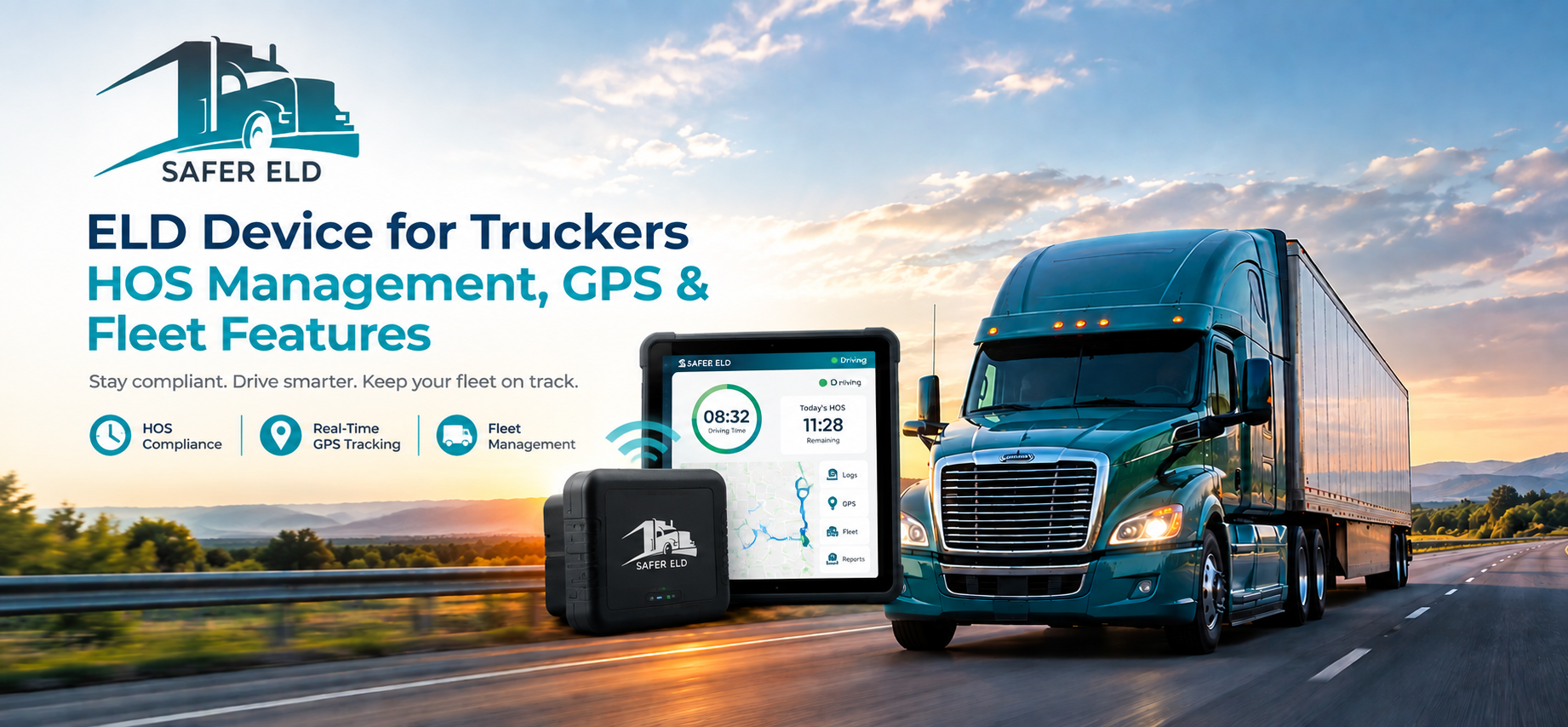
ELD Device for Truckers – HOS Management, GPS & Fleet Features
Choosing the right ELD device for truckers involves more than comparing prices. Drivers and fleet managers need a solution that supports electronic records, HOS management, reliable connectivity, and useful fleet features. An ELD is designed to record, manage, and share information related to driving and off-duty time. FMCSA states that most motor carriers and drivers who are required to maintain records of duty status are subject to the ELD rule, with specific exceptions. For trucking businesses, the right ELD can also provide additional tools such as GPS visibility, reporting, and fleet-management capabilities. What Should an ELD Device for Truckers Offer? Not every trucking operation has the same requirements. Before choosing a solution, consider the features that will be useful for your drivers and fleet. 1. HOS and Electronic Log Management HOS management is one of the core functions of an ELD. Drivers should be able to record, review, edit where permitted, certify, and transfer their logs. FMCSA specifically recommends that carriers make sure their drivers understand how to perform these functions. A simple interface can make everyday log management easier for drivers and reduce unnecessary complexity. 2. GPS and Location Information Modern ELD solutions may include GPS-based location information and fleet visibility. FMCSA’s ELD specifications include location information as part of required ELD data. GPS tracking can also be useful for fleet operations, although real-time vehicle tracking is not itself required by the ELD rule. It can instead be used as an additional business and fleet-management feature. 3. Reliable Connectivity and Data Transfer Connectivity matters when drivers and fleet managers need to access or transfer ELD information. FMCSA recognizes telematics options such as web services and email, as well as local transfer methods including USB and Bluetooth, depending on the ELD solution. When comparing devices, check which connectivity and transfer options are available and whether they fit your fleet’s workflow. 4. Reporting and Fleet Management Reporting tools can help managers review operational information and organize fleet activities. Depending on the provider, additional features may include GPS visibility, reports, analytics, and centralized fleet-management tools. However, fleet-management functionality is not itself an ELD-rule requirement. FMCSA notes that some ELDs are part of broader fleet-management systems, while the ELD rule focuses on required ELD functions. 5. Easy-to-Use Driver Interface An ELD should be practical for drivers to use during everyday operations. Look for a clear interface that makes common tasks straightforward, including reviewing records, certifying logs, making permitted edits, and handling system notifications. Check FMCSA Registration Before Choosing an ELD Price and features should not be the only factors. Carriers should verify that the specific ELD model they are considering appears on FMCSA’s current list of registered, self-certified ELDs. FMCSA advises carriers to check the official list before selecting a device. Check the official FMCSA list here:https://www.fmcsa.dot.gov/safety/passenger-safety/search-results/by-company The registered list can change. FMCSA has removed devices from the list when they failed to meet minimum requirements, so checking the current status is important. How Safer ELD Can Support Trucking Operations Safer ELD provides practical ELD and fleet-management tools designed to support electronic logs, HOS management, GPS information, reporting, and everyday fleet operations. When evaluating Safer ELD or another provider, consider your fleet size, vehicle compatibility, driver requirements, connectivity, reporting needs, support, and pricing. Also verify the specific device’s current FMCSA registration before making a purchasing decision. Ready to Explore Your ELD Options? Explore Safer ELD’s ELD and fleet-management solutions to find tools that fit your trucking operation and everyday fleet-management needs. Conclusion The right ELD device for truckers should provide the essential functionality needed for electronic logs and HOS recordkeeping while offering practical features such as connectivity, GPS information, reporting, and fleet visibility. Instead of choosing an ELD based only on price, compare its functionality, usability, support, and compatibility with your operation. Most importantly, verify the specific device on the current FMCSA registered, self-certified ELD list before purchasing or using it. Frequently asked questions 1. What is an ELD device used for? An ELD records and manages information related to a driver’s record of duty status and helps support HOS recordkeeping. 2. Does an ELD include GPS tracking? ELDs record required location information, and many commercial solutions also provide additional GPS or fleet-visibility features. Real-time tracking itself is not required by the ELD rule. 3. What should I check before choosing an ELD? Consider FMCSA registration, HOS and log-management functions, connectivity, usability, vehicle compatibility, reporting, support, and overall cost. 4. How do I verify whether an ELD is registered? Check the specific device model on FMCSA’s current list of registered, self-certified ELDs before purchasing or using it. 5. What does Safer ELD offer? Safer ELD provides ELD and fleet-management tools designed to support electronic logs, HOS management, GPS information, reporting, and everyday trucking operations.
How to Find an Affordable ELD for Truckers Without Compromising Features
Choosing an ELD is an important decision for truckers and fleet operators. While price matters, selecting the cheapest device may not always provide the features needed for smooth day-to-day operations. The right solution should offer a practical balance between affordability, functionality, connectivity, and ease of use. An affordable ELD for truckers should help manage electronic logs and HOS records while providing useful tools for everyday fleet operations. Safer ELD offers ELD and fleet-management tools designed to support these needs. What Makes an ELD Affordable? An affordable ELD is not simply the device with the lowest upfront price. The overall cost can include hardware, monthly subscriptions, installation, connectivity, software features, and support. Before choosing an ELD, consider the total cost of ownership. A reasonably priced solution with the features your operation actually needs may provide better value than a cheaper device with limited functionality. Key Features to Look For 1. HOS and Electronic Log Management HOS management is one of the primary reasons carriers use ELDs. Look for an easy-to-use system that helps drivers record, review, and manage their electronic records of duty status. The interface should be simple enough for drivers to use during their normal workflow without unnecessary complexity. 2. Reliable Connectivity Connectivity is important for transmitting and accessing ELD information. Check what type of connectivity the device uses and whether the service works reliably in the areas where your trucks operate. Also review how data can be transferred when required and whether the system provides suitable options for your operation. 3. GPS and Fleet Visibility GPS tracking can provide useful visibility into vehicle locations and fleet activity. Although real-time tracking is not itself an ELD-rule requirement, it can be a valuable fleet-management feature. For businesses managing multiple vehicles, visibility tools can make it easier to monitor operations from a central platform. 4. Easy-to-Use Driver Interface A complicated ELD can create unnecessary challenges for drivers. Look for a clear interface that makes common tasks easy to understand. Drivers should be able to review records, make permitted edits or annotations, certify logs, and understand how to handle ELD-related issues. 5. Reporting and Fleet Management Reporting tools can help fleet managers review operational information and identify useful trends. Depending on the solution, features may include reports, GPS information, electronic logs, and fleet-management tools. Choose features based on the actual requirements of your trucking business rather than paying for unnecessary extras. Check the ELD’s FMCSA Registration Price should never be the only consideration when selecting an ELD. Carriers should verify that the specific ELD model they plan to use appears on the current FMCSA list of registered, self-certified ELDs. Check the official FMCSA list here:https://www.fmcsa.dot.gov/safety/passenger-safety/search-results/by-company The FMCSA list can change over time, so carriers should periodically check the current list before purchasing or using an ELD. How Safer ELD Can Support Trucking Operations Safer ELD provides tools designed to help trucking businesses manage electronic logs, HOS records, GPS information, reporting, and everyday fleet operations. When evaluating Safer ELD or any other provider, consider the features, connectivity, pricing structure, customer support, and suitability for your fleet. The goal is to select a solution that provides the functionality your operation needs while staying within your budget. How to Get Better Value From an Affordable ELD Before making a purchase, compare: This approach can help you avoid choosing an ELD based only on its advertised price. Conclusion Finding an affordable ELD for truckers does not mean choosing a solution with the fewest features. A better approach is to compare the total cost, essential HOS and electronic log functionality, connectivity, GPS capabilities, reporting, usability, and support. With Safer ELD, trucking businesses can explore practical ELD and fleet-management tools designed to support everyday operations. Before selecting any device, review your requirements and verify the specific model on the current FMCSA registered ELD list. FAQs 1. What should I look for in an affordable ELD? Look for essential HOS and electronic log management, reliable connectivity, an easy driver interface, GPS options, reporting, support, and a pricing structure that fits your operation. 2. Is the cheapest ELD always the best option? Not necessarily. Compare the total cost and included features rather than focusing only on the initial device price. 3. Can an affordable ELD include GPS tracking? Yes. Some ELD solutions include GPS and fleet-visibility features alongside electronic logging and HOS management. 4. How can I verify an ELD before buying it? Check the specific device or model on the current FMCSA list of registered, self-certified ELDs before purchasing or using it. 5. What does Safer ELD offer? Safer ELD provides tools for electronic logs, HOS records, GPS information, reporting, and fleet-management activities to support trucking operations.
ELD Providers in USA – How to Choose the Right ELD for Your Fleet
Choosing the right Electronic Logging Device (ELD) is an important decision for truckers, owner-operators, and fleet managers. The right solution can make Hours of Service (HOS) recordkeeping easier, improve fleet visibility, and support smoother day-to-day operations. With so many options available, it is important to look beyond price. Carriers should compare device functionality, ease of use, connectivity, data transfer, customer support, reporting, and the provider’s overall value. What Should You Look for in ELD Providers in USA? When comparing ELD solutions, consider the following factors: 1. FMCSA Registration The specific ELD model you choose should appear on the FMCSA’s current list of registered, self-certified ELDs. FMCSA advises motor carriers to make sure the specific ELD model they are considering is on this official list. A carrier using a device that is not listed could be cited for an ELD-rule violation. Check the official FMCSA list here:https://www.fmcsa.dot.gov/safety/passenger-safety/search-results/by-company Carriers should also periodically check the list because FMCSA can remove devices from the registered list when they do not meet applicable requirements. If you are considering Safer ELD, use the official FMCSA list to verify the specific device/model rather than relying only on a provider’s website or marketing claims. FMCSA’s list identifies the device name, model number, software version, ELD identifier, company, and other registration details. Important: Being listed on FMCSA’s registered ELD list means the provider has self-certified the device; FMCSA states that it does not endorse individual ELD products. 2. Easy HOS Management An ELD should make it straightforward for drivers to record, review, edit where permitted, certify, and transfer their logs. A simple interface can reduce unnecessary complexity during daily operations. 3. Reliable Connectivity and Data Transfer Connectivity is another important consideration. FMCSA compliant ELDs must support the required data-transfer capabilities, which can include telematics options such as web services or email and local options such as USB or Bluetooth. Before selecting a system, verify that its connectivity works reliably with your vehicles, mobile devices, and operating environment. 4. GPS and Fleet Visibility GPS tracking can give fleet managers better visibility into vehicle locations and routes. While real-time tracking is not itself an ELD-rule requirement, it can be a useful fleet-management feature. 5. Reporting and Fleet Management Look for useful reports that help you review driving activity, HOS information, vehicle data, and other operational details. Additional fleet-management tools can be valuable for businesses managing multiple vehicles. Why Consider Safer ELD? Safer ELD offers ELD and fleet-management solutions designed to help trucking businesses manage electronic logs and everyday fleet operations. Its platform includes ELD devices, real-time GPS tracking, reports and analytics, and fleet visibility tools. For small and growing fleets, having important information available through a centralized system can simplify routine monitoring and administration. Safer ELD also provides AI-powered dashcam and fleet-monitoring solutions for businesses looking for additional visibility and safety-oriented technology. However, carriers should always evaluate their specific requirements and independently verify the current FMCSA registration status of the particular ELD model they plan to use. How to Compare ELD Solutions A practical comparison should include: The best choice will depend on fleet size, vehicle types, driver requirements, operating areas, and the features needed for daily management. Benefits of Choosing the Right ELD A well-selected ELD can help trucking businesses: It is important to remember that an ELD is a tool for managing required records and supporting operations; selecting a device does not by itself guarantee compliance. Conclusion Choosing among ELD providers in the USA requires more than comparing prices. Carriers should examine FMCSA registration, HOS functionality, connectivity, data transfer, GPS capabilities, reporting, support, and overall value. Safer ELD is an option for truckers and fleet operators looking for electronic logging and fleet-management tools. Before purchasing, compare your operational requirements and verify the specific device against the current FMCSA registered ELD list. FAQs 1. What is an ELD? An Electronic Logging Device records and manages a commercial driver’s Hours of Service and related duty-status information. 2. How can I verify an ELD’s registration? Check the specific device model on FMCSA’s current list of registered, self-certified ELDs before purchasing or using it. 3. What features should I compare when choosing an ELD? Consider HOS management, connectivity, data transfer, GPS tracking, reporting, vehicle compatibility, ease of use, support, and pricing. 4. Does an ELD have to provide GPS tracking? GPS-related data is part of required ELD functionality, but additional real-time fleet tracking is a separate fleet-management feature. 5. Why should I consider Safer ELD? Safer ELD provides ELD and fleet-management tools including electronic logging, GPS tracking, reports, analytics, and fleet visibility features.
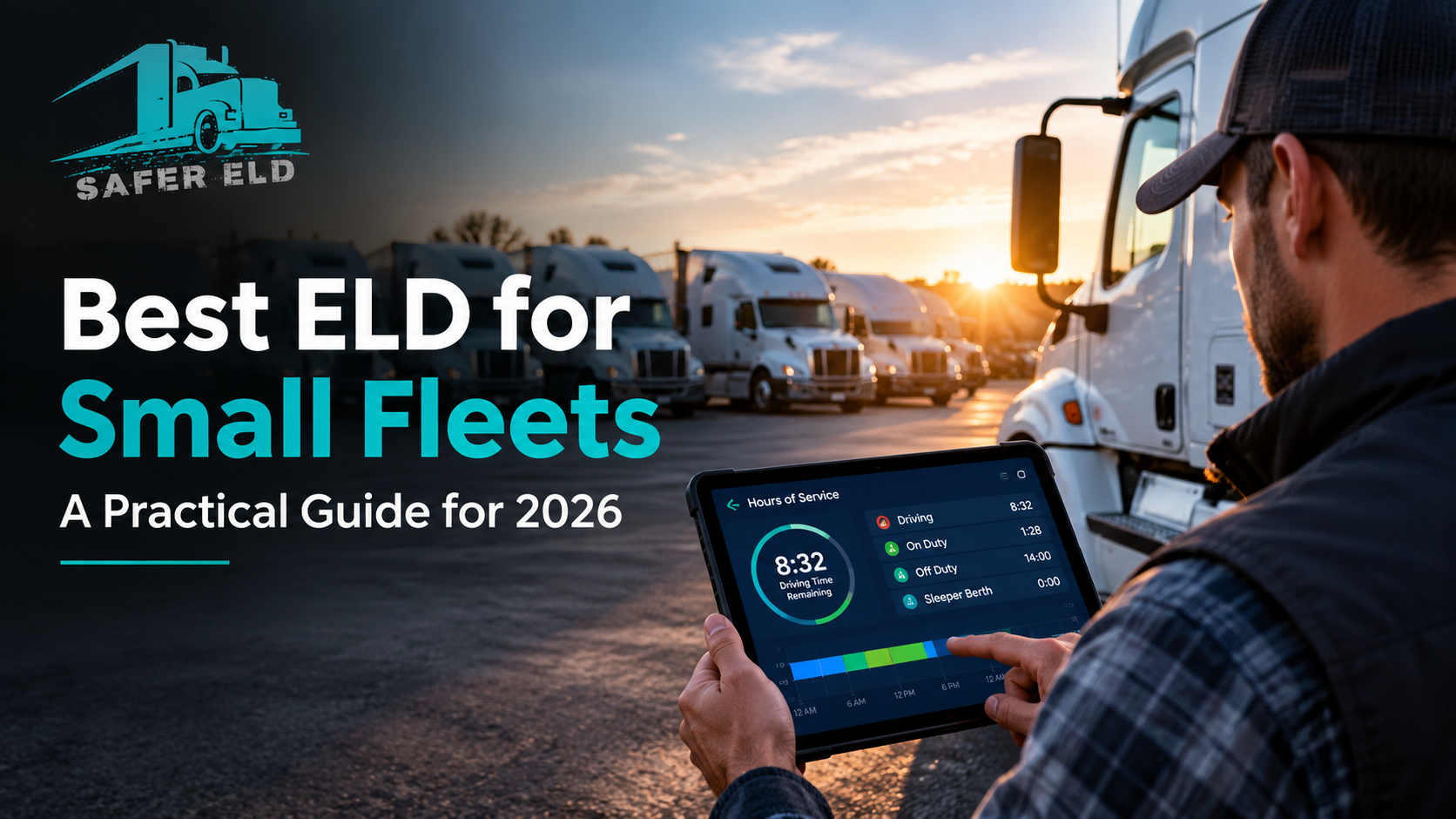
Best ELD for Small Fleets | A Practical Guide for 2026
Running a small trucking fleet means balancing drivers, vehicles, operating costs, HOS records, and daily fleet management. The right Electronic Logging Device (ELD) can help make these responsibilities more organized while giving fleet managers better visibility into their operations. But with many ELD providers available, how do you know which solution is right for your fleet? Small fleets should consider FMCSA registration, ease of use, HOS management, connectivity, vehicle compatibility, support, and fleet-management features, not just price. What Should Small Fleets Look for in an ELD? The best ELD for small fleets should provide essential functionality without making everyday fleet management unnecessarily complicated. Before selecting a provider, consider the following factors. 1. Verify FMCSA Registration FMCSA recommends that motor carriers verify the specific ELD model they are considering on its current list of registered, self-certified ELDs. The list can change, so checking the device before purchase and periodically afterward is important. You can check FMCSA’s current list of registered, self-certified ELDs to verify the specific device. FMCSA also explains that its registered list contains devices self-certified by providers and that the agency does not endorse individual ELD products. 2. Choose Simple HOS Management Drivers should be able to use the ELD without unnecessary complexity. Look for a system that makes it straightforward to review electronic logs, record duty-status information, certify records, and make permitted edits or annotations. A simple interface can also reduce training difficulties when new drivers join a small fleet. 3. Consider Connectivity and Data Transfer Connectivity and data transfer are important parts of ELD functionality. Before selecting an ELD, small fleets should understand how the device connects with the vehicle and mobile device and how required information can be transferred during an inspection. FMCSA requires compliant ELDs to support at least one complete set of approved data-transfer options. These include telematics methods such as web services and email, or local transfer methods such as USB and Bluetooth, depending on the ELD’s configuration. When comparing providers, confirm that the system: Reliable connectivity can make a significant difference in day-to-day operations. 4. Check Vehicle Compatibility Before purchasing an ELD, confirm that it works with the trucks in your fleet. This is particularly important for businesses operating different truck makes, models, or configurations. Ask about installation requirements, supported vehicles, mobile-device compatibility, and technical support. 5. Look for GPS and Fleet Visibility GPS tracking can provide useful visibility into vehicle locations and fleet activity. For a small fleet, having this information available through one platform can make it easier to monitor operations. Real-time fleet tracking is a business feature rather than the same thing as the core ELD requirements, so evaluate it according to your operational needs. 6. Evaluate Reporting and Support Reporting tools can help fleet managers organize driver, vehicle, HOS, and operational information. Customer support is equally important because drivers may need assistance with setup, troubleshooting, or everyday ELD questions. A provider offering useful reporting and accessible support can be valuable as a small fleet grows. Why Consider Safereld for Small Fleets? For small fleet operators, an ELD should provide more than basic electronic logging. Safereld offers ELD and fleet-management tools designed to bring important fleet information together and support everyday trucking operations. Here are some areas small fleets can consider when evaluating Safereld: These features can make Safereld worth considering for small fleets looking for a platform that combines ELD functionality with broader fleet-management capabilities. As with any ELD provider, carriers should verify the specific device’s current FMCSA registration and compare the available features with their operational requirements. How to Choose the Right ELD for Your Fleet The best ELD for small fleets isn’t necessarily the cheapest option or the system with the longest list of features. Instead, focus on whether the solution fits your fleet’s actual needs. Before making a decision, compare: Taking time to compare these factors can help prevent unnecessary costs and operational difficulties later. Conclusion Choosing an ELD for a small fleet is an important decision because the system becomes part of everyday fleet operations. Start by verifying the specific device on the current FMCSA registered ELD list, then evaluate HOS management, connectivity, data transfer, compatibility, reporting, GPS visibility, support, and overall value. Safereld offers a range of ELD and fleet-management features that small fleet operators can evaluate based on their specific operational requirements. The right solution should make fleet management more organized, not more complicated. If you’re looking for an ELD solution for your growing fleet, explore Safereld and compare its features, support, and value for your trucking operation. FAQs 1. What should small fleets consider when choosing an ELD? Small fleets should consider FMCSA registration, HOS management, connectivity, data transfer, vehicle compatibility, ease of use, GPS tracking, reporting, customer support, and overall cost. 2. How can I verify whether an ELD is registered with FMCSA? Check the official FMCSA ELD List and verify the specific device or model. FMCSA recommends checking the current list because registered devices can change. 3. Why is ELD data transfer important? ELD data may need to be transferred during roadside inspections. Carriers should confirm that their selected ELD supports the required data-transfer methods and that drivers understand how to use them. 4. Is GPS tracking included in an ELD? Some ELD platforms offer GPS tracking and fleet visibility as additional features. These can be useful for fleet management, but business-oriented real-time tracking is separate from the basic ELD requirements. 5. Is Safereld suitable for small fleets? Safereld offers features such as HOS management, GPS tracking, DVIR, IFTA-related tools, an admin portal, driver app, dashcam integration, fleet visibility, customer support, and pricing options that small fleets can evaluate according to their needs.

ELD Mandate Compliance for Small Fleets – A Practical Guide by Safer ELD
Running a small trucking fleet means managing drivers, vehicles, deliveries, and compliance at the same time. One area that deserves particular attention is ELD mandate compliance. For small fleet owners, an Electronic Logging Device (ELD) can make it easier to manage Hours of Service (HOS) records and electronic logs while providing useful information about fleet operations. Safer ELD provides tools designed to help trucking businesses manage HOS records, electronic logs, GPS information, and day-to-day fleet activities more efficiently. What Is ELD Mandate Compliance? ELD mandate compliance means following the Federal Motor Carrier Safety Administration (FMCSA) requirements for electronically recording drivers’ Records of Duty Status (RODS). The ELD rule generally applies to motor carriers and drivers who are required to maintain RODS under federal HOS regulations. ELDs are designed to automatically record important information about driving activity and support accurate electronic recordkeeping. For small fleets, understanding these requirements and using the ELD correctly can make everyday record management much easier. ELD Exemptions Does Your Small Fleet Qualify? Not every driver or vehicle is required to use an ELD. FMCSA provides specific exemptions and exceptions depending on the type of operation. For example, certain short-haul operations may qualify for an exception. Other exceptions can apply to drivers who use paper RODS for no more than 8 days within a 30-day period, qualifying drive-away-tow-away operations, and vehicles manufactured before model year 2000. Because eligibility depends on the specific operation, fleet owners should review the current FMCSA requirements rather than assuming that an exemption applies. Why ELD Mandate Compliance Matters for Small Fleets Large carriers may have dedicated compliance departments, but small fleet owners often manage compliance themselves. A suitable ELD can help reduce administrative work and make electronic recordkeeping more organized. An ELD can help small fleets: The objective isn’t simply to have an ELD installed. Drivers and fleet managers also need to understand how to use the system and maintain accurate records. How Small Fleets Can Manage ELD Requirements 1. Verify the ELD Before Purchasing Before choosing an ELD, carriers should check the current FMCSA list of registered, self-certified ELDs and confirm that the specific device they intend to use appears on the list. The FMCSA’s registered ELD list can change over time, so carriers should periodically verify that their device remains on the current list. 2. Train Your Drivers Proper driver training is an important part of effective ELD management. Drivers should understand how to operate the device and manage their records correctly. Training should cover: 3. Review Logs Regularly Fleet managers should review driver records regularly instead of waiting until an inspection or audit. Regular reviews can help identify inconsistencies, missing information, or recurring issues that may need attention. 4. Keep the ELD Updated Keeping the ELD system and related software updated helps ensure that the fleet has access to the latest available functionality and system improvements. How Safer ELD Supports Small Fleets Safer ELD provides tools that can help small trucking businesses manage important fleet information from one platform. Depending on the fleet’s requirements, these tools can support: Feature How It Helps HOS Tracking Helps monitor driver Hours of Service information Electronic Logs Makes digital recordkeeping easier GPS Information Provides visibility into vehicle locations Driver Records Helps managers review fleet activity Digital Reports Makes information easier to organize Fleet Management Tools Supports everyday operational tasks The goal is to provide useful information in a straightforward way so fleet owners can spend less time dealing with manual processes. Common ELD Management Mistakes to Avoid Small fleet owners can improve their recordkeeping by avoiding common mistakes such as: Not checking ELD registration: Always verify the device against the current FMCSA registered ELD list. Insufficient driver training: Drivers should know how to record, certify, review, and manage their logs. Ignoring unidentified driving activity: Review unexplained vehicle movement and address legitimate discrepancies. Failing to review records: Regular reviews can help identify issues before they become recurring problems. Assuming an exemption applies: Confirm eligibility based on the current FMCSA requirements for your specific operation. Why Consider Safer ELD? Managing a small fleet requires practical tools that don’t make daily operations more complicated. Safer ELD provides features for managing HOS records, electronic logs, GPS information, and fleet operations in a convenient platform. For owner-operators and small fleet managers, these tools can make everyday recordkeeping and fleet management more organized. Explore Safer ELD to see how its ELD and fleet management tools can fit your trucking operation. Conclusion Managing ELD mandate compliance for small fleets starts with understanding the applicable FMCSA requirements, selecting a properly registered ELD, and training drivers to use it correctly. Fleet owners should also review records regularly and periodically check the FMCSA’s current registered ELD list, as the list can change over time. Safer ELD provides tools that can help fleets manage HOS records, electronic logs, GPS information, and everyday fleet operations giving small trucking businesses a more organized way to manage their information. Ready to simplify your fleet management? Explore Safer ELD and find the tools that fit your operation. Frequently Asked Questions

Best ELD for Owner-Operators – Key Features to Look for in 2026
For owner-operators, choosing the best ELD for owner-operators is about more than simply keeping electronic logs. The right Electronic Logging Device (ELD) can help maintain FMCSA compliance, simplify Hours of Service (HOS) management, improve visibility, and reduce the administrative workload involved in running a trucking business. In 2026, owner-operators should look for an ELD that combines compliance, reliability, easy-to-use technology, accurate reporting, and fleet visibility. Safer ELD provides ELD solutions designed to help drivers and trucking businesses manage these requirements more efficiently. What Is an ELD and Why Do Owner-Operators Need One? An Electronic Logging Device records a commercial driver’s Records of Duty Status (RODS) electronically and helps track driving and duty time. The FMCSA ELD rule applies to most motor carriers and drivers who are required to maintain RODS, although certain exemptions exist. For an owner-operator, an ELD can make daily log management easier while helping maintain accurate records for inspections and compliance. However, choosing an ELD should not be based on price alone. Features, support, reliability, and compliance status are equally important. Key Features to Look for in the Best ELD for Owner-Operators 1. FMCSA Compliance Compliance should be the first consideration when selecting an ELD. A device should meet applicable FMCSA requirements and be listed as a registered ELD. This is particularly important in 2026 because FMCSA continues to remove devices that fail to meet minimum requirements. For example, FMCSA announced the removal of 10 ELDs from its registered list in July 2026, with affected carriers required to replace those devices within the specified transition period. Always verify a device’s current registration status before making a decision. 2. Easy HOS and Logbook Management Owner-operators spend enough time managing routes, loads, fuel, and customers. An ELD should make electronic log management simple rather than adding another complicated task. Look for features that help you: A straightforward interface can save valuable time during everyday operations. 3. Real-Time GPS Tracking Real-time GPS tracking can give owner-operators greater visibility into vehicle location, routes, and trips. Safer ELD combines ELD technology with live GPS tracking and route monitoring through its fleet management portal. Although real-time tracking is not itself a requirement of the federal ELD rule, it can be valuable for business and fleet-management purposes. 4. Automated IFTA Reporting Fuel and mileage records can become time-consuming when handled manually. An ELD with reporting capabilities can help simplify the process by providing organized trip, mileage, and fuel-related data. Safer ELD highlights automated IFTA reporting and fuel tracking as part of its solution, helping operators reduce manual administrative work. 5. Reliable Hardware An ELD is only useful if the hardware performs reliably during daily operations. Owner-operators should consider device durability, connectivity, installation, usability, and compatibility with their vehicle. Before purchasing, check whether the ELD hardware is suitable for your truck and whether the provider offers dependable warranty and technical support. 6. Reports and Analytics Good reporting can help owner-operators understand more than just driving hours. Detailed trip history, vehicle information, compliance data, and operational reports can provide useful insights for managing a trucking business. Safer ELD offers reports and analytics through its ELD and fleet-management platform. 7. Customer Support Technical problems can become stressful when you’re on the road. That’s why customer support should be an important part of your ELD decision. Look for a provider that offers responsive assistance, troubleshooting, warranty coverage, and support when you need it. Safer ELD states that it provides 24/7 call and chat support for its ELD solutions. 8. Flexible Plans Owner-operators may not want to commit to unnecessary long-term contracts. Flexible plans can make it easier to choose an ELD solution that fits current business requirements. Safer ELD offers contract-optional plans, allowing customers to select a plan according to their operational needs. Why Safer ELD Can Be a Smart Choice for Owner-Operators Safer ELD brings several important trucking-management features together in one platform. Its solution includes an ELD device, real-time GPS tracking, reports and analytics, HOS compliance support, automated IFTA reporting, and fleet-management capabilities. For owner-operators looking for a practical ELD solution, the combination of compliance-focused logging, tracking, reporting, support, and flexible plans can help simplify everyday operations. How to Choose the Right ELD in 2026 Before purchasing an ELD, ask these questions: Taking time to compare these factors can help you avoid choosing an ELD based solely on upfront cost. Final Thoughts The best ELD for owner-operators in 2026 should provide more than electronic logging. It should help simplify compliance, improve operational visibility, organize reports, and support the day-to-day needs of a trucking business. With features such as FMCSA-focused ELD solutions, HOS compliance, real-time GPS tracking, IFTA reporting, fleet-management tools, and customer support, Safer ELD offers an integrated approach to modern trucking operations. Before choosing any ELD, always verify its current FMCSA registration status and compare the features, support, hardware, and pricing against your specific business requirements. Frequently Asked Questions 1. What is the best ELD for owner-operators in 2026? The best ELD for owner-operators should offer FMCSA compliance, easy HOS management, reliable GPS tracking, IFTA reporting, accurate records, dependable hardware, and responsive customer support. Safer ELD combines these features into a comprehensive ELD and fleet-management solution. 2. What features should owner-operators look for in an ELD? Owner-operators should look for FMCSA compliance, simple electronic log management, real-time GPS tracking, HOS monitoring, IFTA reporting, detailed analytics, reliable hardware, flexible plans, and accessible technical support. 3. Is GPS tracking required for an ELD? GPS functionality is an important part of ELD technology, particularly for recording location information required under the ELD regulations. Additional real-time GPS fleet-tracking features can also help owner-operators monitor vehicles and improve operational visibility. 4. Can an ELD help with IFTA reporting? Yes. ELD systems that collect mileage and trip information can help simplify IFTA reporting by organizing relevant vehicle and mileage data. Safer ELD includes automated IFTA reporting and fuel-tracking capabilities. 5. How do I choose the right ELD for my trucking business? Compare the ELD’s current FMCSA registration status, compliance features,
FMCSA-Registered ELD Providers: Everything U.S. Fleets Need to Know
Electronic Logging Devices (ELDs) have become an essential part of commercial trucking operations in the United States. Since the implementation of the FMCSA ELD Mandate, carriers and drivers are required to use compliant Electronic Logging Devices (ELDs) to accurately record Hours of Service (HOS). Choosing an ELD provider that offers FMCSA-registered and compliant devices is critical for maintaining compliance, improving fleet efficiency, and avoiding costly violations. This guide explains what FMCSA-registered ELD providers are, why they matter, and how to choose the right solution for your fleet. What Are FMCSA-Registered ELD Providers? FMCSA-registered ELD providers are companies that offer Electronic Logging Devices that meet the technical requirements established by the Federal Motor Carrier Safety Administration (FMCSA). These devices automatically record driving time and other HOS data to help commercial drivers comply with federal regulations. It is important to understand that the FMCSA does not independently test or certify ELDs. Instead, manufacturers self-certify that their devices meet the agency’s technical specifications and register them on the FMCSA’s list of compliant ELDs. Fleet operators should always verify that any ELD they choose appears on this official registry before making a purchase. Why Choosing a FMCSA Registered ELD Providers Matters Using a registered and compliant ELD helps carriers meet regulatory requirements while improving fleet operations. Key benefits include: Selecting the right provider also helps minimize downtime caused by compliance issues. Understanding the FMCSA ELD Mandate The FMCSA ELD Mandate requires most commercial motor vehicle drivers who are required to maintain Records of Duty Status (RODS) to use compliant Electronic Logging Devices. The rule was introduced to: Not every commercial driver falls under the mandate, so carriers should review applicable exemptions before implementing an ELD solution. Features to Look for in FMCSA-Registered ELD Providers 1. FMCSA Registry Listing Always verify that the provider’s device is listed on the FMCSA’s registered ELD list before purchasing. 2. Accurate HOS Tracking A compliant ELD should automatically record: Accurate automation reduces manual errors. 3. User-Friendly Interface Drivers should be able to: A simple interface encourages adoption and reduces training time. 4. Fleet Management Dashboard Many providers include tools for fleet managers such as: These features improve operational efficiency. 5. FMCSA-Approved Data Transfer An FMCSA-compliant ELD should support FMCSA-approved electronic data transfer methods during roadside inspections, ensuring officers can quickly access required log data when requested. 6. Reliable Customer Support Since compliance affects daily operations, responsive technical support is an important factor when evaluating providers. Benefits of Using FMCSA-Registered ELD Providers Improved Compliance : Automatic HOS recording reduces the risk of violations. Increased Efficiency : Digital logs eliminate much of the paperwork associated with manual recordkeeping. Better Fleet Visibility : Managers can monitor vehicle activity and driver status in real time. Supports Driver Safety : Accurate HOS tracking encourages proper rest periods and helps reduce fatigue-related risks. Simplified Audits : Electronic records are easier to organize and retrieve during inspections or compliance reviews. How to Verify an ELD on the FMCSA Registry Before purchasing an ELD, take a few minutes to verify that it appears on the official FMCSA registry. Taking these steps helps ensure your fleet is using a compliant solution and reduces the risk of enforcement issues. Common Mistakes to Avoid When selecting an ELD provider, avoid these common mistakes: A dependable provider should offer both compliance support and operational efficiency. Who Needs an FMCSA-Compliant ELD? ELDs are commonly used by: Carriers should determine whether their operations fall under FMCSA ELD requirements. Why Safer ELD Is a Trusted Choice Choosing the right technology partner is just as important as selecting the right device. Safer ELD provides Electronic Logging Device solutions designed to help commercial drivers and fleet operators simplify HOS compliance while improving day-to-day operations. In addition to supporting regulatory compliance, Safer ELD focuses on making logbook management straightforward through dependable technology and user-friendly tools. Their solutions are built to help fleets operate more efficiently while reducing the administrative burden associated with manual recordkeeping. By combining compliance-focused ELD technology with a strong understanding of freight transportation, Safer ELD helps businesses keep their drivers on the road with greater confidence and operational visibility. Tips for Choosing the Right ELD Provider Before selecting an ELD solution, ask: Comparing providers based on these factors helps ensure long-term success. Conclusion Choosing the right provider of FMCSA-compliant Electronic Logging Devices is essential for maintaining compliance, improving fleet productivity, and supporting efficient operations across the United States. A dependable ELD solution not only simplifies HOS management but also provides valuable operational insights that help fleets run more efficiently. By selecting a trusted provider like Safer ELD, carriers can equip their drivers with technology that supports accurate logging, regulatory compliance, and smoother day-to-day fleet operations. Frequently Asked Questions (FAQs) 1. What are FMCSA-registered ELD providers? FMCSA-registered ELD providers are companies that offer Electronic Logging Devices whose manufacturers have self-certified that the devices meet FMCSA technical specifications and have registered them on the FMCSA’s official list of compliant ELDs. 2. Does the FMCSA officially certify ELDs? No. ELD manufacturers self-certify that their devices meet FMCSA specifications and register them with the FMCSA. Fleet operators should verify that the device appears on the official FMCSA registered ELD list. 3. Who is required to use an ELD? Most commercial motor vehicle drivers who are required to maintain Records of Duty Status (RODS) under FMCSA regulations must use a compliant Electronic Logging Device unless a specific exemption applies. 4. What features should I look for in an ELD? Look for automatic HOS tracking, easy log management, FMCSA compliance, FMCSA-approved data transfer capabilities, reporting tools, GPS tracking, and responsive customer support. 5. Can an ELD improve fleet efficiency? Yes. ELDs help reduce paperwork, improve compliance, monitor driver activity, simplify reporting, and provide greater visibility into fleet operations. 6. Why choose Safer ELD? Safer ELD provides reliable Electronic Logging Device solutions designed to simplify FMCSA compliance while supporting efficient fleet management. Their technology helps drivers and fleet operators manage HOS more effectively, improve operational visibility, and stay focused on