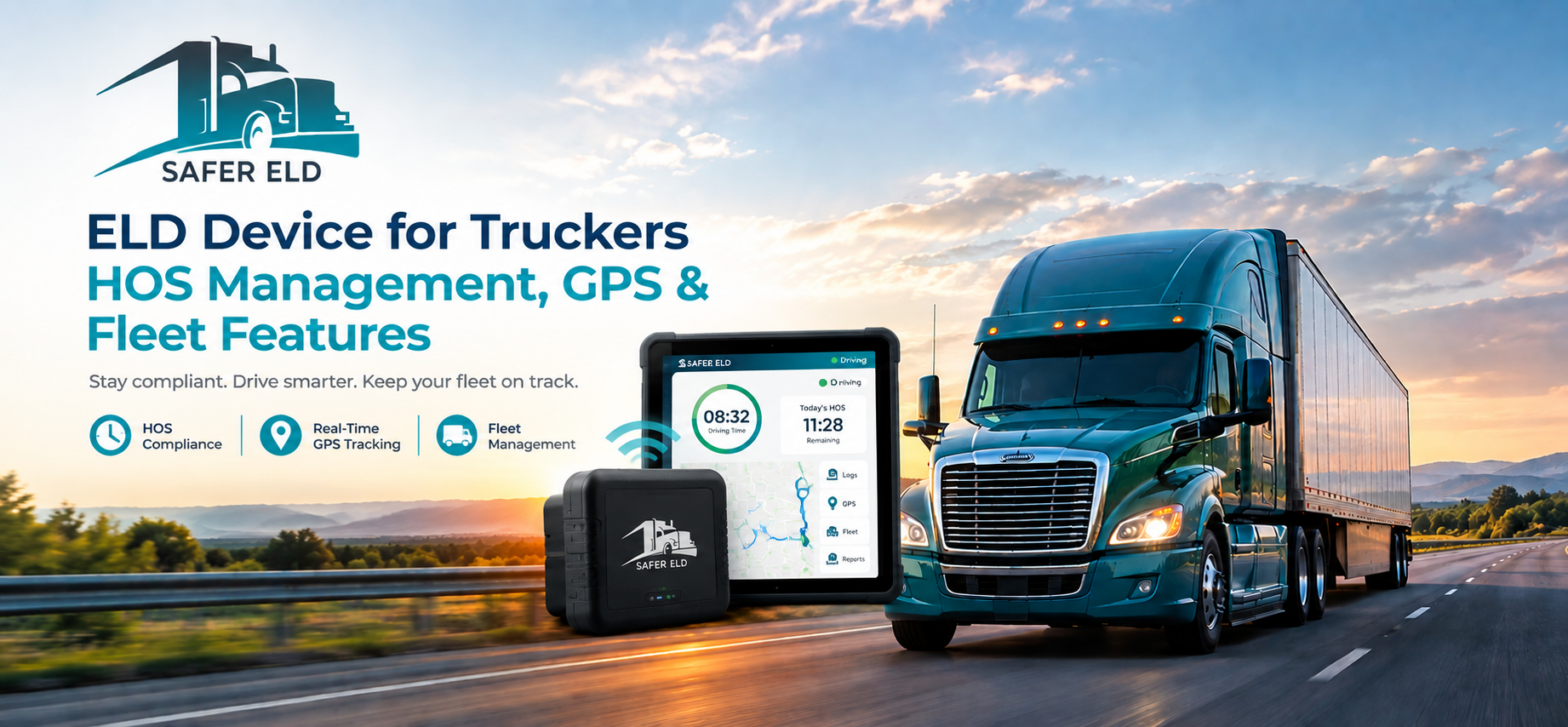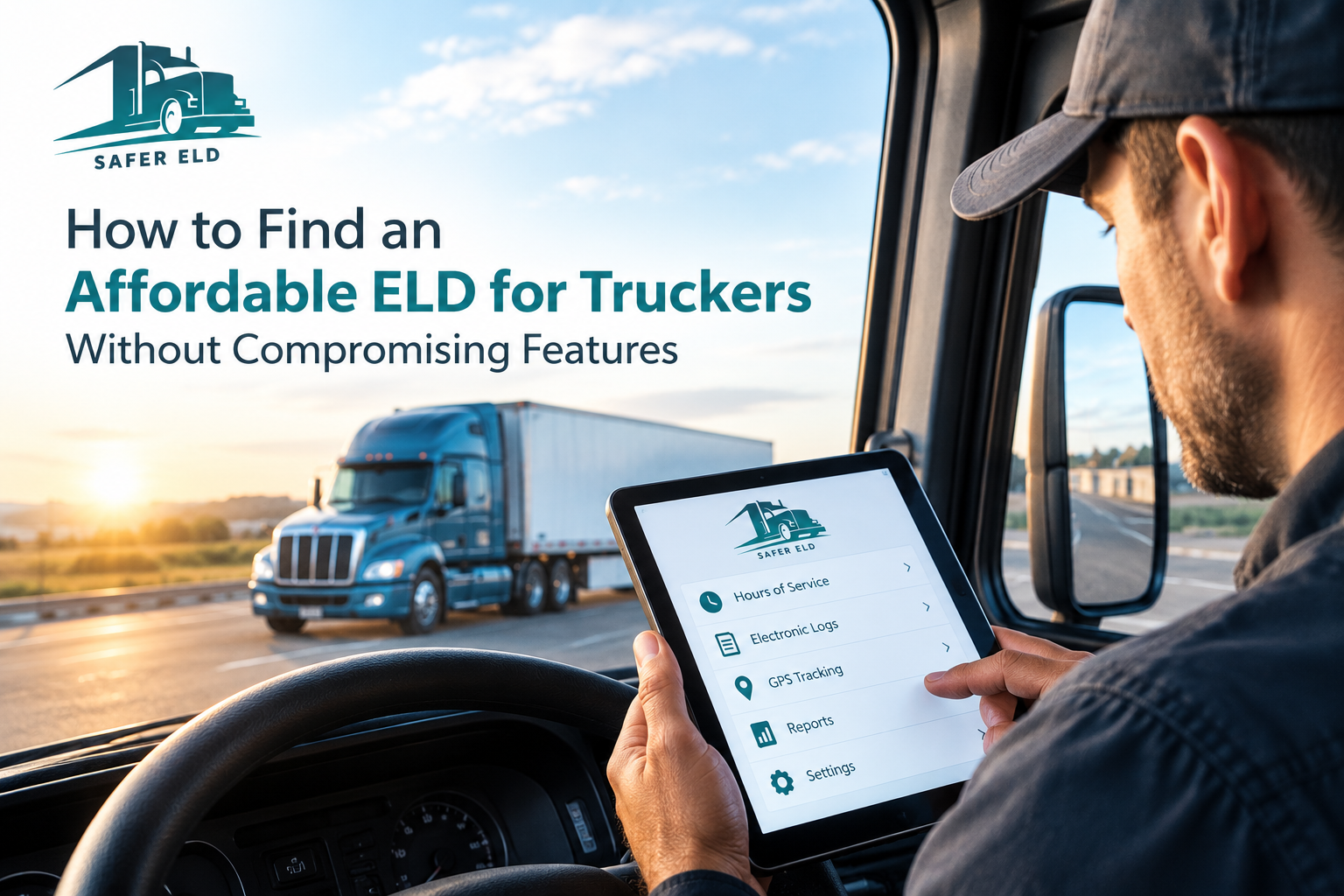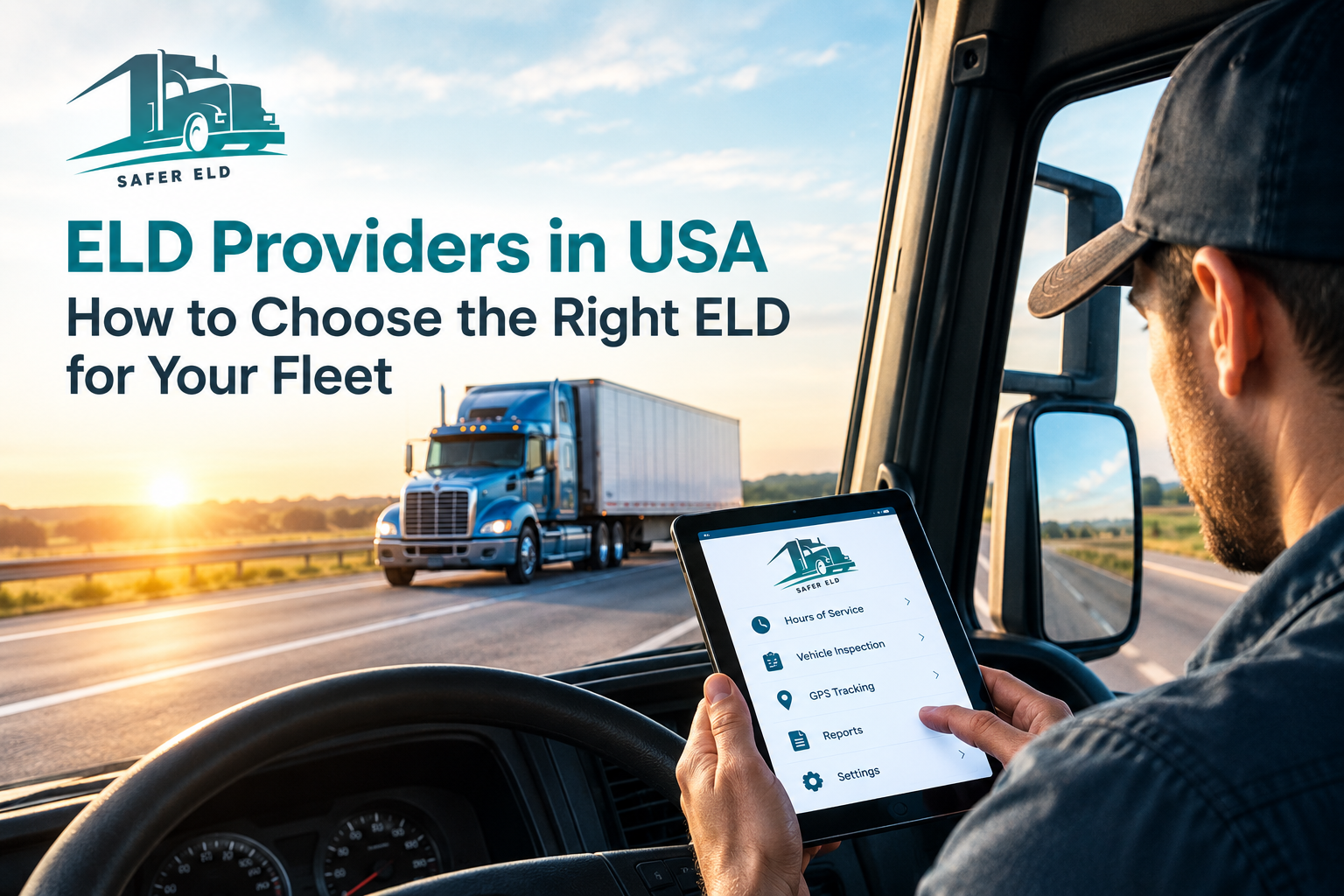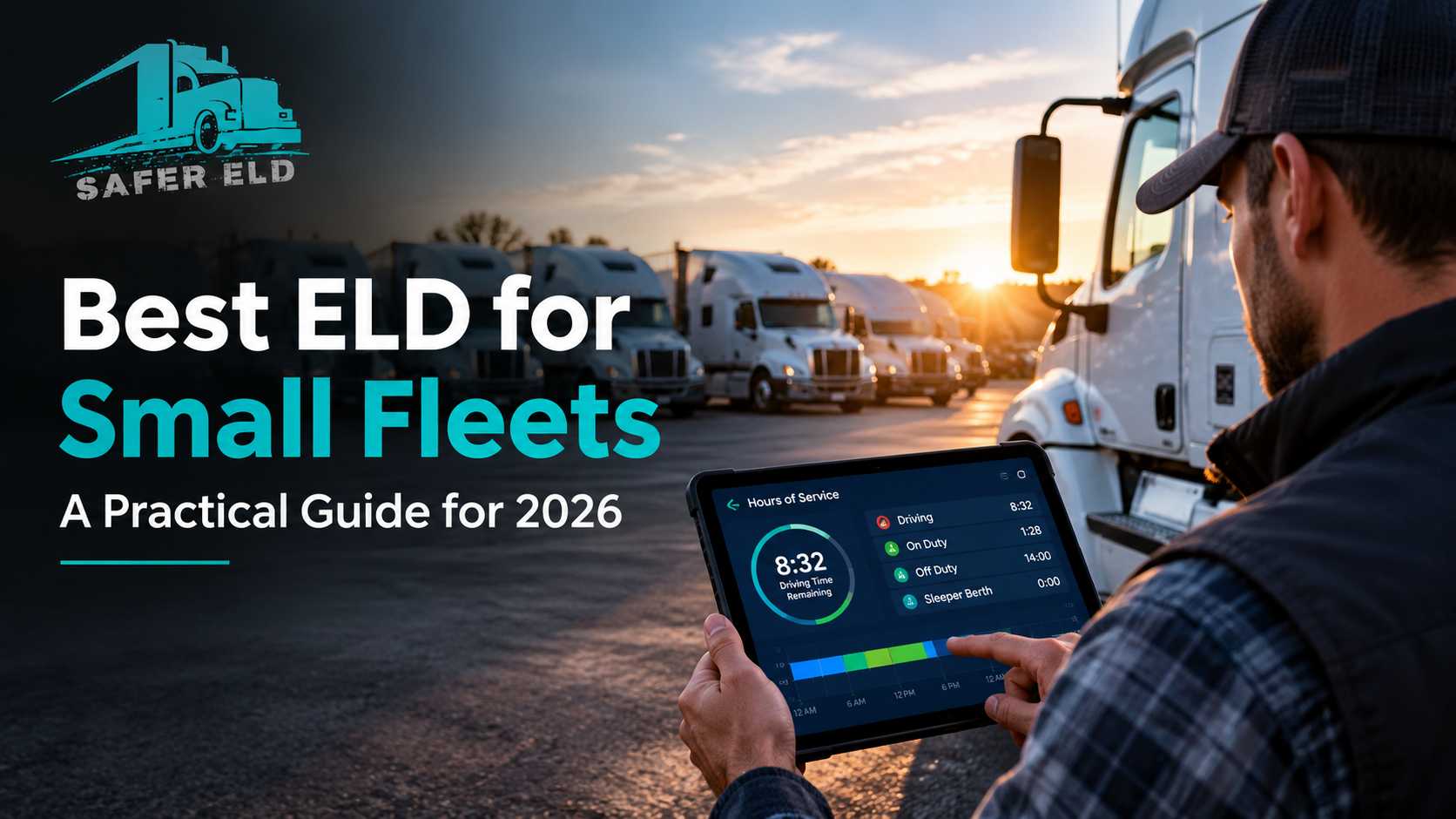
Running a small trucking fleet means balancing drivers, vehicles, operating costs, HOS records, and daily fleet management. The right Electronic Logging Device (ELD) can help make these responsibilities more organized while giving fleet managers better visibility into their operations.
But with many ELD providers available, how do you know which solution is right for your fleet? Small fleets should consider FMCSA registration, ease of use, HOS management, connectivity, vehicle compatibility, support, and fleet-management features, not just price.
What Should Small Fleets Look for in an ELD?
The best ELD for small fleets should provide essential functionality without making everyday fleet management unnecessarily complicated. Before selecting a provider, consider the following factors.
1. Verify FMCSA Registration
FMCSA recommends that motor carriers verify the specific ELD model they are considering on its current list of registered, self-certified ELDs. The list can change, so checking the device before purchase and periodically afterward is important.
You can check FMCSA’s current list of registered, self-certified ELDs to verify the specific device.
FMCSA also explains that its registered list contains devices self-certified by providers and that the agency does not endorse individual ELD products.
2. Choose Simple HOS Management
Drivers should be able to use the ELD without unnecessary complexity. Look for a system that makes it straightforward to review electronic logs, record duty-status information, certify records, and make permitted edits or annotations.
A simple interface can also reduce training difficulties when new drivers join a small fleet.
3. Consider Connectivity and Data Transfer
Connectivity and data transfer are important parts of ELD functionality. Before selecting an ELD, small fleets should understand how the device connects with the vehicle and mobile device and how required information can be transferred during an inspection.
FMCSA requires compliant ELDs to support at least one complete set of approved data-transfer options. These include telematics methods such as web services and email, or local transfer methods such as USB and Bluetooth, depending on the ELD’s configuration.
When comparing providers, confirm that the system:
- Connects reliably with your vehicles and mobile devices
- Supports the required data-transfer methods
- Allows required ELD information to be transferred when requested
- Provides clear instructions for drivers
- Handles connectivity and data-transfer issues appropriately
Reliable connectivity can make a significant difference in day-to-day operations.
4. Check Vehicle Compatibility
Before purchasing an ELD, confirm that it works with the trucks in your fleet. This is particularly important for businesses operating different truck makes, models, or configurations.
Ask about installation requirements, supported vehicles, mobile-device compatibility, and technical support.
5. Look for GPS and Fleet Visibility
GPS tracking can provide useful visibility into vehicle locations and fleet activity. For a small fleet, having this information available through one platform can make it easier to monitor operations.
Real-time fleet tracking is a business feature rather than the same thing as the core ELD requirements, so evaluate it according to your operational needs.
6. Evaluate Reporting and Support
Reporting tools can help fleet managers organize driver, vehicle, HOS, and operational information. Customer support is equally important because drivers may need assistance with setup, troubleshooting, or everyday ELD questions.
A provider offering useful reporting and accessible support can be valuable as a small fleet grows.
Why Consider Safereld for Small Fleets?
For small fleet operators, an ELD should provide more than basic electronic logging. Safereld offers ELD and fleet-management tools designed to bring important fleet information together and support everyday trucking operations.
Here are some areas small fleets can consider when evaluating Safereld:
- HOS Management: Tools designed to help manage electronic logs and HOS information.
- GPS Tracking: Provides visibility into vehicle locations and fleet activity.
- DVIR: Supports the management of Driver Vehicle Inspection Report workflows.
- IFTA: Tools designed to help organize information relevant to IFTA reporting and fleet operations.
- Admin Portal: Gives fleet administrators a centralized place to manage operational information.
- Driver App: Provides drivers with access to relevant ELD and fleet-management functions.
- Dash Cam Integration: Can support fleets that want to combine ELD and video-based fleet safety tools.
- Fleet Visibility: Helps managers get a clearer view of vehicles and daily fleet activity.
- Customer Support: Support can help drivers and fleet managers with onboarding, technical questions, and troubleshooting.
- Pricing and Value: Small fleets should compare overall value, including features, support, usability, and ongoing costs not simply the lowest monthly price.
These features can make Safereld worth considering for small fleets looking for a platform that combines ELD functionality with broader fleet-management capabilities.
As with any ELD provider, carriers should verify the specific device’s current FMCSA registration and compare the available features with their operational requirements.
How to Choose the Right ELD for Your Fleet
The best ELD for small fleets isn’t necessarily the cheapest option or the system with the longest list of features. Instead, focus on whether the solution fits your fleet’s actual needs.
Before making a decision, compare:
- Current FMCSA registration
- HOS and electronic log management
- Connectivity and data-transfer capabilities
- Vehicle compatibility
- GPS and fleet visibility
- Reporting and administrative tools
- Driver usability
- Customer support
- Additional features such as DVIR, IFTA, and dashcam integration
- Overall pricing and value
Taking time to compare these factors can help prevent unnecessary costs and operational difficulties later.
Conclusion
Choosing an ELD for a small fleet is an important decision because the system becomes part of everyday fleet operations. Start by verifying the specific device on the current FMCSA registered ELD list, then evaluate HOS management, connectivity, data transfer, compatibility, reporting, GPS visibility, support, and overall value.
Safereld offers a range of ELD and fleet-management features that small fleet operators can evaluate based on their specific operational requirements.
The right solution should make fleet management more organized, not more complicated.
If you’re looking for an ELD solution for your growing fleet, explore Safereld and compare its features, support, and value for your trucking operation.
FAQs
1. What should small fleets consider when choosing an ELD?
Small fleets should consider FMCSA registration, HOS management, connectivity, data transfer, vehicle compatibility, ease of use, GPS tracking, reporting, customer support, and overall cost.
2. How can I verify whether an ELD is registered with FMCSA?
Check the official FMCSA ELD List and verify the specific device or model. FMCSA recommends checking the current list because registered devices can change.
3. Why is ELD data transfer important?
ELD data may need to be transferred during roadside inspections. Carriers should confirm that their selected ELD supports the required data-transfer methods and that drivers understand how to use them.
4. Is GPS tracking included in an ELD?
Some ELD platforms offer GPS tracking and fleet visibility as additional features. These can be useful for fleet management, but business-oriented real-time tracking is separate from the basic ELD requirements.
5. Is Safereld suitable for small fleets?
Safereld offers features such as HOS management, GPS tracking, DVIR, IFTA-related tools, an admin portal, driver app, dashcam integration, fleet visibility, customer support, and pricing options that small fleets can evaluate according to their needs.