The trucking industry depends on accurate driving records, efficient operations, and compliance with transportation regulations. For professional truck drivers and fleet owners in the United States, an Electronic Logging Device (ELD) plays an important role in managing driving hours and maintaining electronic records.
However, choosing the right ELD can be challenging because different devices offer different features, connectivity options, pricing structures, and fleet management capabilities. Selecting a suitable device requires more than comparing prices. Drivers should consider compliance, ease of use, reliability, and the level of support provided by the manufacturer.
In this guide, Safer ELD explores the important factors truckers should consider when choosing an electronic logging device for their daily operations.
What Is an Electronic Logging Device (ELD)?
An Electronic Logging Device is a digital system that connects with a commercial vehicle’s engine to automatically record important driving information. It helps drivers and motor carriers maintain Records of Duty Status (RODS) and monitor Hours of Service (HOS).
Unlike traditional paper logbooks, an ELD automatically records driving time and helps reduce manual recordkeeping errors. It also makes it easier for drivers and fleet managers to access and manage driving records.
For many commercial drivers who are required to maintain records of duty status, using a compliant ELD is a regulatory requirement under the Federal Motor Carrier Safety Administration (FMCSA) ELD rule.
Why Choosing the Right ELD Matters for Truckers
An ELD is an important part of everyday trucking operations. The right device can make recordkeeping easier while helping drivers and fleet managers manage their responsibilities.
Here are some key reasons why choosing a suitable device matters:
- Regulatory compliance: A compliant ELD helps drivers maintain the required electronic driving records.
- Accurate logging: Automatic recording reduces the need for manual entries and helps maintain accurate information.
- Time management: Drivers can monitor their available driving hours and plan trips more effectively.
- Fleet visibility: Suitable systems can help fleet managers review driver activity and manage vehicles.
- Convenient recordkeeping: Digital records are easier to access, review, and transfer when required.
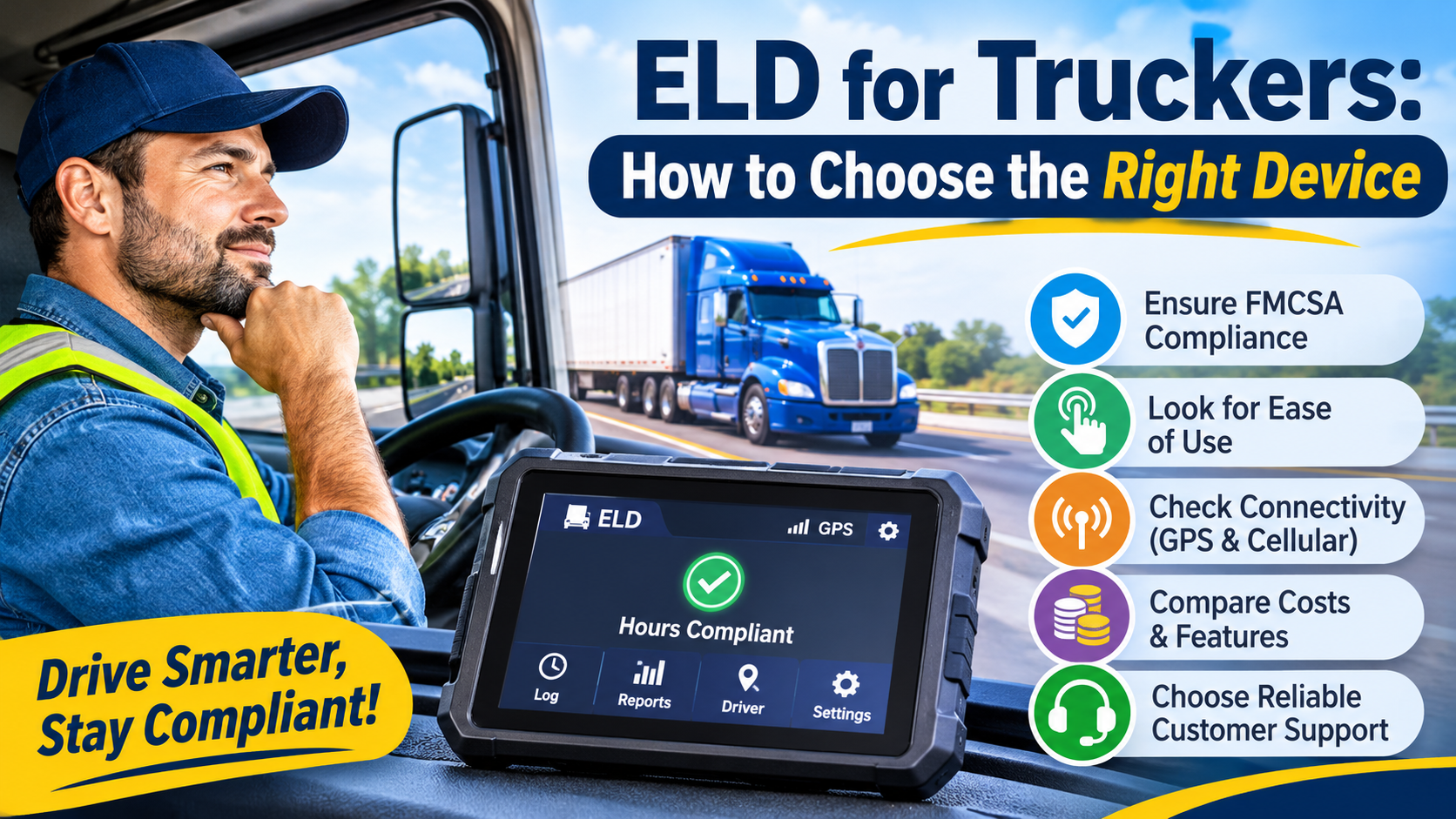
7 Important Factors to Consider When Choosing the Best ELD for Truckers
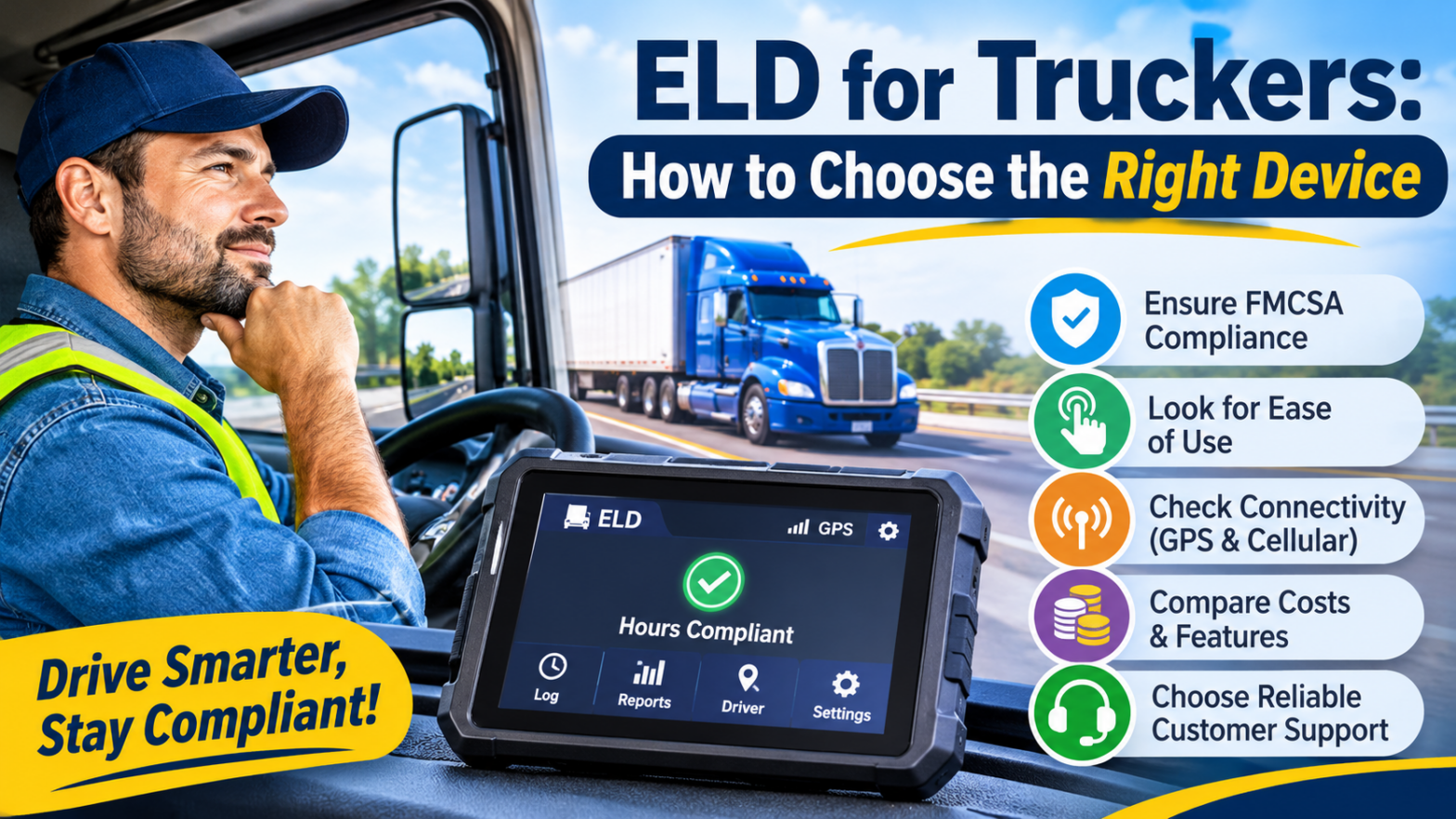
1. Check FMCSA Compliance
Compliance should be the first consideration when selecting an ELD. Before purchasing a device, verify that its specific model is listed on the FMCSA’s official registered ELD list.
A device should not be considered compliant simply because its manufacturer advertises it as an ELD. The FMCSA recommends that motor carriers select devices that are self-certified and registered with the agency.
Always verify the latest registration status before making a purchase.
2. Look for an Easy-to-Use Interface
Truck drivers spend long hours on the road, so an ELD should be simple to operate. A complicated interface can make everyday tasks frustrating and increase the chances of incorrect entries.
Look for a device that offers:
- A clear and readable display
- Simple driver log-in options
- Easy access to duty status information
- Straightforward record editing and certification
- Convenient data transfer options
A user-friendly system can make daily logging more manageable for both experienced and new drivers.
3. Consider Device Compatibility
Not every ELD works with every commercial vehicle. Before selecting a device, check whether it supports your truck’s make, model, and engine configuration.
An appropriate ELD should integrate with the vehicle’s engine to capture required information, including engine power status, vehicle motion, miles driven, and engine hours.
Checking compatibility in advance can help avoid installation problems and unnecessary expenses.
4. Evaluate Connectivity and Data Access
Reliable connectivity is another important factor. Some ELD systems use cellular connections, while others may offer different communication methods.
Drivers who frequently travel through remote areas should consider how the device handles limited network coverage. Ask the provider how records are stored and accessed when internet connectivity is unavailable.
It is also important to understand the available methods for transferring electronic records during roadside inspections.
5. Compare Pricing and Subscription Costs
ELD pricing can vary depending on the hardware, software, subscription plan, and additional services.
Before choosing a device, understand the complete cost structure. Consider:
- Initial device or hardware cost
- Monthly or annual subscription fees
- Installation charges
- Software updates
- Customer support costs
- Additional fleet management features
Avoid selecting a device based only on its lowest advertised price. Compare its compliance status, reliability, features, and long-term value.
6. Check Customer Support and Technical Assistance
Technical issues can interrupt daily operations. A dependable provider should offer clear instructions and accessible support when drivers or fleet managers need assistance.
Check whether the provider offers troubleshooting guidance, installation support, software updates, and help with common device issues.
Good customer support can make a significant difference, particularly for businesses managing multiple commercial vehicles.
7. Consider Fleet Management Requirements
Individual owner-operators and large trucking companies may have different requirements.
An owner-operator may prefer a straightforward device focused on electronic logging and compliance. A fleet manager, on the other hand, may need additional tools for monitoring vehicles, reviewing driver records, and managing multiple users.
Choose features according to your actual business requirements rather than paying for unnecessary functionality.
Common Mistakes to Avoid When Buying an ELD
Choosing an unsuitable device can create avoidable problems. Keep these common mistakes in mind:
- Purchasing a device without checking its FMCSA registration status
- Ignoring compatibility with the truck’s engine
- Choosing an ELD based only on its price
- Overlooking connectivity requirements
- Not reviewing customer support availability
- Failing to understand subscription and additional charges
- Skipping driver training after installation
Taking time to evaluate these factors can help drivers and fleet owners make a more informed decision.
How Safer ELD Can Help Truckers Make an Informed Choice
Selecting an appropriate electronic logging solution is an important decision for any trucking business. Safer ELD focuses on helping truckers understand the importance of electronic logging, compliance, and practical ELD features.
When evaluating an ELD solution, drivers should prioritize regulatory requirements, ease of use, vehicle compatibility, and dependable technical assistance. Comparing these factors can help them identify a system that fits their everyday transportation needs.
Whether you operate independently or manage a growing fleet, taking a careful approach to ELD selection can support more organized recordkeeping and efficient operations.
Conclusion
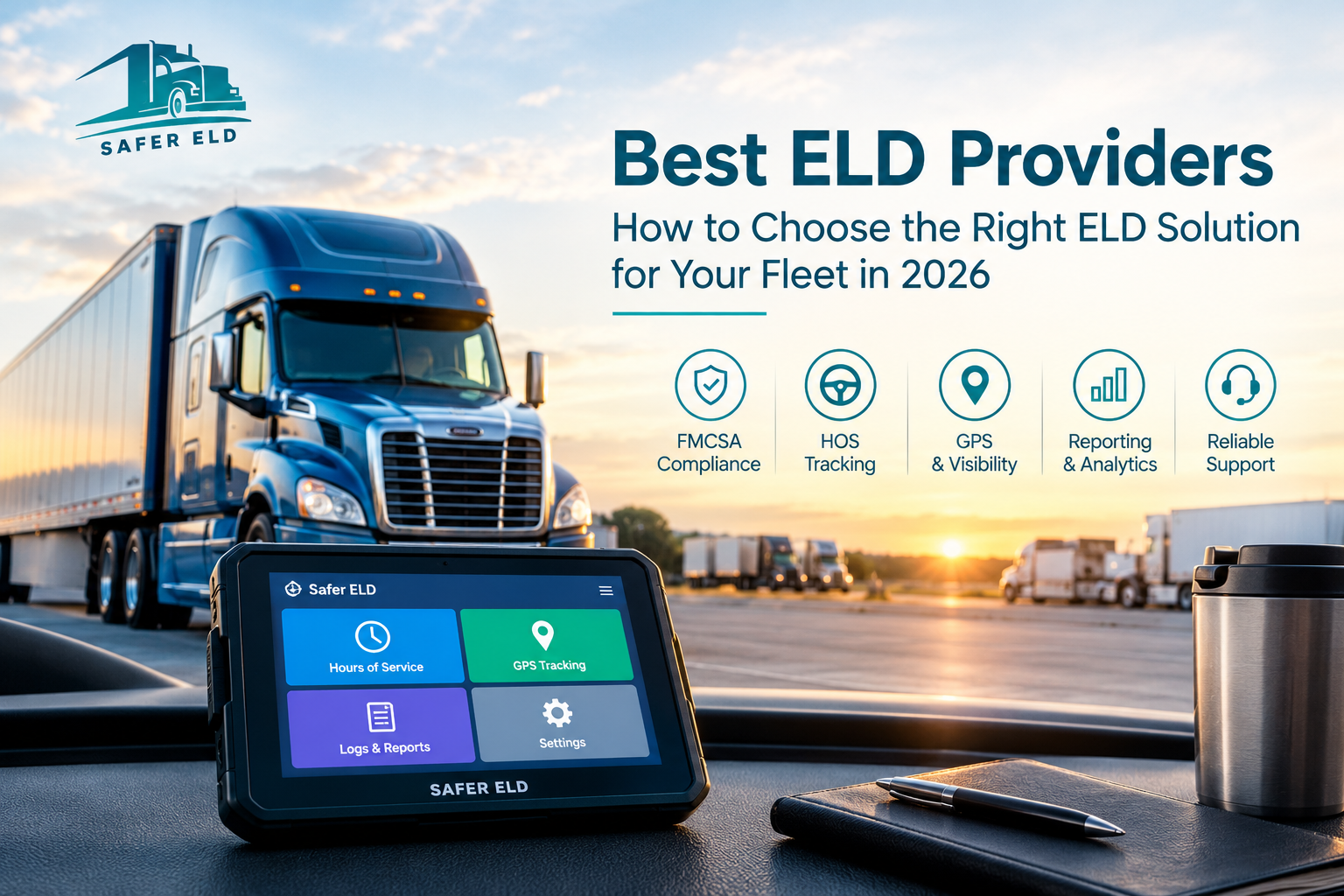
Choosing the best ELD for truckers involves more than finding a device with basic logging capabilities. Drivers and fleet owners should evaluate FMCSA registration, vehicle compatibility, user experience, connectivity, pricing, and customer support before making a decision.
A suitable electronic logging device can simplify recordkeeping, support compliance, and make daily trucking operations more organized. With guidance from Safer ELD, truckers can better understand what to look for and choose an ELD solution that matches their operational requirements.
Frequently Asked Questions (FAQs)
1. What is the main purpose of an ELD for truckers?
An ELD automatically records driving time and helps commercial drivers maintain electronic Records of Duty Status (RODS) in accordance with applicable Hours of Service requirements.
2. Are all electronic logging devices FMCSA-compliant?
No. Drivers and motor carriers should verify that the specific device model is self-certified and registered on the official FMCSA list before purchasing it.
3. Can an ELD work without an internet connection?
Some ELD systems can continue recording required information when internet connectivity is unavailable. However, connectivity and data-transfer capabilities vary by device, so check the manufacturer’s specifications.
4. What features should truckers look for in an ELD?
Important considerations include FMCSA registration, engine compatibility, automatic driving-time recording, easy-to-use software, reliable data access, and customer support.
5. Is an ELD necessary for every truck driver?
No. The ELD rule applies to most commercial drivers and motor carriers required to maintain Records of Duty Status. Certain exemptions are available, so drivers should check the applicable FMCSA requirements.